If I Had Blood Clots Once Am I Likely to Have Them Again
Clotting is the fashion that your torso naturally stops wounds from bleeding and begins the healing process after an injury that damages or breaks your blood vessels. The blood clots that class at the site of an injury commonly intermission downwardly after the wound heals. Notwithstanding, claret clots can sometimes grade in unnecessary places. And, they might not dissolve properly. This can lead to harmful problems in your trunk.
Virtually 1 million people are afflicted past blood clots every year in the United states of america, and a third of those people may develop long-term issues from those blood clots. Considering blood clots are sometimes life-threatening and tin fifty-fifty lead to sudden death, knowing the warning signs tin save your or a loved one'due south life. Learn well-nigh some of the common signs of a blood clot to look out for.
Symptoms of Claret Clots
Blood clots can cause you lot to develop a multifariousness of unlike symptoms, and you might not experience all of them at the same fourth dimension. Learning well-nigh the alarm signs of claret clots can help you lot become faster treatment that increases your chances of a good for you recovery.
Swelling and Pain in the Leg
Well-nigh blood clots occur kickoff in people's legs before breaking off in pieces and traveling to their lungs. Recognizing and treating a claret clot while it's notwithstanding in your leg could assistance you prevent further issues that may occur. If your leg is swollen, considerably warmer than the other leg and has areas of redness, talk to your md correct away.
Shortness of Breath and Faster Breathing
If yous accept a blood clot, you might not experience symptoms until smaller clots break off from a larger jell and travel to your lungs. At this point, you may experience shortness of breath. Shortness of breath may not be a symptom of a claret clot on its ain, but in combination with other claret jell symptoms it justifies seeing a dr..
Sharp Breast Hurting
Pain can occur under your chest bone or to the side of your chest when the blood clot reaches your lungs. It may feel like a burning, stabbing, aching or heavy sensation. If y'all have this symptom, you should fix to see your healthcare provider. If the hurting becomes severe, head to the emergency room.
Increased Pain During Movement
If you lot're experiencing pain in your chest that increases when y'all bend over, cough, express mirth or move your chest in any manner, a claret clot may have reached your lungs. In one case a claret jell reaches your lungs, your centre rate picks up dramatically. If you discover yourself continuously experiencing an increased heart rate and you're not sure of the reason, contact your healthcare provider immediately.
Sudden Coughing
If yous have a sudden, severe cough, it could indicate that a small slice of the blood clot has gone into your lungs. Cough up blood is always a very serious effect, specially if you suspect you might have a blood clot. Bloody mucus is also a crusade for business concern. If the cough doesn't go abroad, seek medical attention right away.
Causes of Blood Clots
You lot're at a higher run a risk of developing blood clots if y'all do or experience the post-obit:
- Fume
- Injure your legs
- Accept birth control pills
- Use hormone replacement therapy
If you or someone in your family unit had a claret clot earlier, this tin can increment your risk of developing a second blood jell.
Diagnosing and Treating Blood Clots

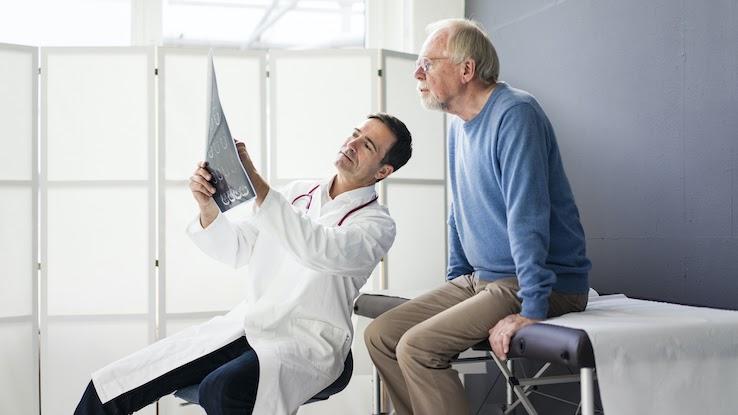
Doctors can diagnose blood clots in a few different ways. If you lot're experiencing signs of a blood clot, your healthcare provider may perform a concrete exam, blood tests or imaging tests. Imaging tests may include Ten-rays, ultrasounds and CT scans. Looking into your medical history can as well help your doctor diagnose both your blood clots and the reason for them.
In that location are a few different treatments that a medical professional may recommend. Medicines like anticoagulants and thrombolytics can help prevent and break apart blood clots. A thrombectomy, which is a surgery to remove a blood jell, may be necessary in some cases. The all-time treatment is based on the location and severity of the blood clots and whether they're in your veins or arteries.
There are various signs that you may have a blood clot. If you experience swelling in your leg, issues breathing or pain in different areas of your body, you may have a claret clot. Make an date with a healthcare provider right away if you lot experience any of these symptoms.
Resource Links:
"Blood Clots | Hypercoagulability," Medline Plus
"Claret clots," Mayo Clinic
"Deep vein thrombosis," Medline Plus
"Data and Statistics on Venous Thromboembolism," Centers for Affliction Control and Prevention
"Blood Clots," American Society of Hematology
Source: https://www.symptomfind.com/healthy-living/warning-signs-blood-clot?utm_content=params%3Ao%3D740013%26ad%3DdirN%26qo%3DserpIndex

Post a Comment for "If I Had Blood Clots Once Am I Likely to Have Them Again"